
Published on 02/07/2026
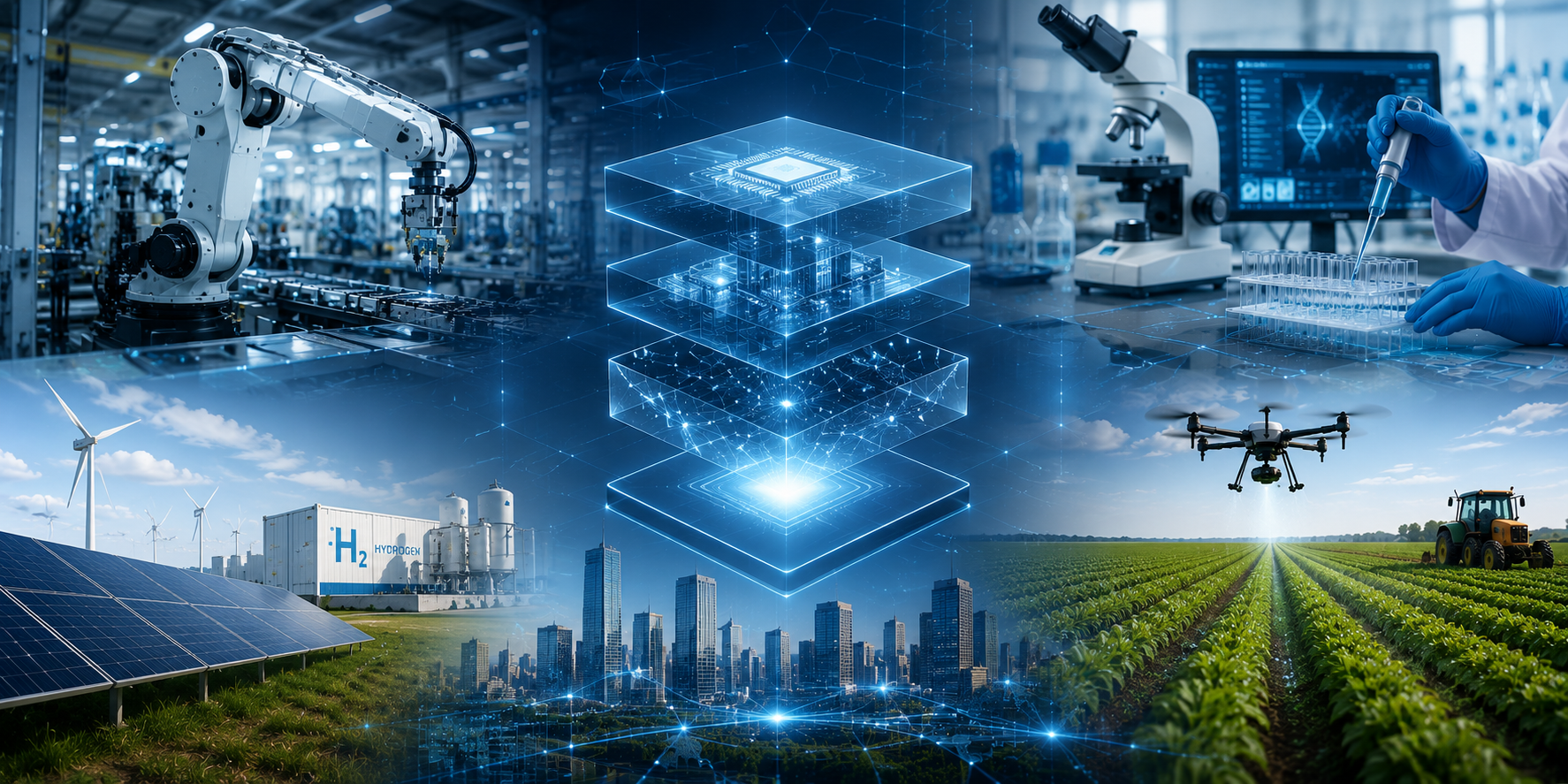
In a world where innovation has become a key driver of competitiveness, DeepTech is emerging as one of the most powerful forces behind industrial transformation. Unlike conventional digital innovations, which primarily enhance existing services and user experiences, DeepTech is built on major scientific and technological breakthroughs rooted in fundamental research. Artificial intelligence, biotechnology, nanotechnology, advanced robotics, quantum computing, and advanced materials are among the disruptive technologies reshaping how industries produce, innovate, and create value.
What Is DeepTech?
The term DeepTech refers to companies and innovations based on scientific discoveries or complex technological advances that often require years of research and development. These innovations are characterized by their high technological intensity, significant barriers to entry, and ability to solve complex challenges at scale.
Unlike traditional startups, which primarily develop digital applications or online platforms, DeepTech startups fundamentally transform the technological foundations of entire industries, making them powerful drivers of industrial innovation.
DeepTech: A Catalyst for Industrial Transformation
1. Revolutionizing Manufacturing
The integration of artificial intelligence, advanced robotics, and the Internet of Things (IoT) enables manufacturers to automate processes with unprecedented precision. Smart factories can now analyze millions of data points in real time to optimize production, reduce costs, and improve product quality. This transformation is driving the rise of Industry 4.0, where machines, systems, and human operators collaborate within highly connected production environments.
2. Accelerating Innovation in Healthcare
Biotechnology and artificial intelligence are enabling the development of personalized treatments, improving medical diagnostics, and accelerating drug discovery. DeepTech also supports the growth of precision medicine by delivering healthcare solutions tailored to each patient's genetic profile. These advancements are paving the way for better management of complex diseases and more efficient healthcare systems.
3. Driving the Energy Transition and Sustainability
As climate challenges intensify, DeepTech plays a crucial role in developing sustainable solutions. Innovations in next-generation batteries, green hydrogen, smart grids, and advanced materials are improving energy efficiency while reducing the environmental impact of industrial activities. Companies investing in these technologies not only contribute to environmental protection but also strengthen their competitiveness in global markets.
4. Modernizing Agriculture
Agriculture is also benefiting from the DeepTech revolution through smart sensors, drones, artificial intelligence, and biotechnology. These technologies enable more precise resource management, higher crop yields, and reduced reliance on agricultural inputs. Precision agriculture addresses growing food security challenges while helping preserve natural resources.
What Are the Challenges of DeepTech?
Despite its enormous potential, DeepTech faces several significant challenges. Developing these technologies often requires substantial investment, lengthy research and development cycles, and highly specialized expertise. DeepTech startups must also navigate complex regulatory environments and convince investors to support projects whose financial returns may take years to materialize.
Addressing these challenges requires stronger collaboration among governments, universities, research institutions, and private-sector stakeholders to build innovation ecosystems that support long-term technological development.
Opportunities for Startups and Emerging Economies
Developing countries have a unique opportunity to integrate into the global innovation economy through DeepTech. By investing in scientific research, talent development, and support for technology startups, they can create solutions tailored to local challenges while unlocking new economic opportunities.
The emergence of DeepTech startups in sectors such as agriculture, healthcare, energy, and fintech demonstrates that scientific innovation is no longer limited to the world's largest technology hubs.
Conclusion
DeepTech is far more than a technology trend it is a transformative force capable of redefining industries, addressing global challenges, and creating new engines of economic growth. Companies, governments, and entrepreneurs that invest in these breakthrough technologies today will be well positioned to shape the economy of tomorrow. As scientific progress continues to accelerate, DeepTech is becoming one of the essential pillars of innovation and competitiveness in the 21st century.